The Texas Barbecue is perhaps one of the most well-known traditions in the Lone Star State – often automatically envisioned, along with images of longhorns or Tommy Lee Jones, at just the mere mention of the state. Indeed, there is no denying Texans are passionate about their favourite barbecue as they are about football and politics. However, has the Texas barbecue been romanticized and is it in actual fact causing cancer?
As part of a new study from The University of Texas MD Anderson Cancer Center,  researchers found that meats cooked over an open flame are linked to an increased risk of kidney cancer. The research, published online this week in the journal CANCER, revealed that diets high in meat may result to an elevated risk of advancing renal cell carcinoma (RCC) through intake of carcinogenic compounds produced by particular cooking methods, such as barbecuing and pan-frying. Dr. Xifeng Wu, who led the study, examined 659 patients just diagnosed with kidney cancer and compared them to 699 similar people without cancer. The researchers wanted to analyze not only the link, but to also clarify the factors that might explain it.
In the journal, the research noted that people who consumed the most grilled meat – red meat and chicken alike – had a higher risk of kidney cancer. Furthermore, those with two genetic mutations that already put people at higher risk of kidney cancer were most affected by the grilled meat risk. The study indicates that the open flame is the culprit, with the researchers believing this may be introducing carcinogens into the body. Carcinogens are a term for any element that can cause cancer in living tissue due to the capability to disturb cellular metabolic processes. They are extremely irritable to our system, and can take the form of known cancer-causing substances like asbestos and tobacco smoke.
Nevertheless, Texans don’t have to put down their Texas Sticky Barbecued Beef Ribs for good just yet. Instead, the researchers suggest consuming it in moderation as part of well-balanced diet, complete with fruit and vegetables. Moreover, this news comes on the heels of two new food safety rules the Obama administration released on September 10th 2015. The new regulations, known as the “Preventive Controls for Human Food rule” and “Preventive Controls for Animal Food rule”, signify a considerable alteration in how businesses operate in the food sector and will entail substantial investment in technological improvements for food manufacturers across the food production spectrum.
Whilst this may be a hindrance for the food manufacturing industry, Research and Development (R&D) tax credit opportunities are one way to reduce the cost incurred by companies in becoming compliant with the new regulations and market patterns. For example, businesses operating in the food and beverage industry must stay up to date with trends in the marketplace, such as, reduction in sodium, gluten-free choices, removing sugar, adding fruits and vegetables to their products, or, as the research above highlights, cooking methods. Therefore, with research and news reports like the above being released and persistent changes in consumer preferences, it is vital for food and beverage companies in the United States to increase their R&D efforts to meet demands and stay competitive.
Indeed, the R&D tax credit can help put cash back into a business and several states, including Texas, offer businesses their own version of the R&D tax credit. Businesses should take advantage of any R&D tax credits available at the state and federal levels as they can claim the credits simultaneously. Furthermore, many companies operating in the food and beverage industry may erroneously believe they are not qualified for the credits. However, the IRS employs a broad definition of R&D and many activities within the food and beverage industry may qualify for generous tax savings. Contact us today to talk to a specialized R&D Tax professional who will be able to help you with your claim.
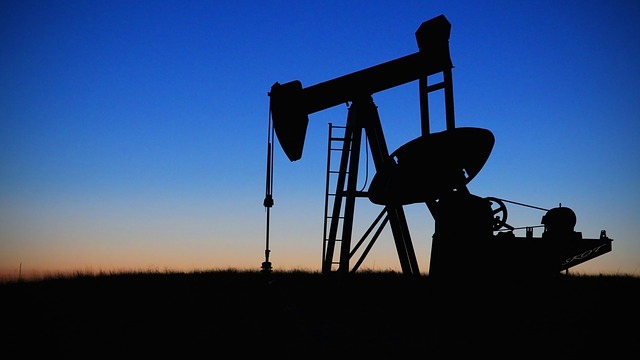
 Oil, often said to be the commodity that underpins modern economies and lifestyles, is in a new downturn. Despite a history of booms and busts, the plunging price of a barrel of oil, which has been cut roughly in half since June 2014, has reached new low prices that were last observed during the depths of the 2009 recession. This price drop has resulted in heavy job losses across the sector.

 Texas, often most renowned for its lucrative oil and gas industry, is actually the largest wind power producer in the country. In fact, Texas’ wind power accounts for roughly 10 percent of the state’s generation and Texas runs its own electricity grid that does not connect to those that serve other states. Whilst offering free energy might seem like a rife for wasting energy from the hours of 9pm till 6am, the concept actually saves the utility company money in the long term. To enumerate, shifting usage away from peak hours equates to lower wholesale prices, reduces the need of having to construct additional power plants, and condenses the burden that an oversupply of wind energy places on the power grid.
 Big data, most renowned for transforming customer-facing functions such as sales and marketing, is now extending to other businesses. In research and development (R&D), for example, big data is being adopted across a range of industries. Increasingly, companies are capitalizing on the big data movement to create competitive advantage and drive strategy to innovate, compete, and capture value. Life sciences, in particular, are at the forefront of utilizing big data and are using real-world data to inform and transform patient care.
 Citing a dwindling economic growth to high unemployment rates and stagnant wages, pessimists argue that the United States finest days are in the past. However, are they correct in this assumption?