‘Tis the Season…For Tax Extensions.

Once again, the annual ritual is upon us.

Whilst this time of year often marks the beginning of present wrapping, Christmas carols, and an abundance of candy canes, it also signifies another yearly occurrence – the tax extender period. As observed in previous years, December denotes the start of Congress preparing to craft a bill which will extend circa 50 tax-reducing policies that expire each year. However, is this the year Congress will play Santa and give the gift of a permanent research and development (R&D) tax credit?

Certainly, the United States is not short white-house-1022633_960_720of advocators for permanency of the R&D Tax Credit scheme. In fact, many have long insisted the U.S. Congress to legislate a permanent R&D tax credit – or at minimum a multi-year extension, not just the typical provisional, one-year deals. Supporters of a permanent credit cite the fact that businesses struggle to rely on the temporary nature of the current credit in business and investment planning. Whereas, a permanent credit would give companies the assurance to participate in R&D, counterbalance the cost of innovation and level the playing field for high-paying jobs that embolden the U.S. economy.

However, if reports about the imminent legislation are accurate, the bill will fall short of accomplishing meaningful policy improvements. Since its inception as a temporary provision in 1981, the federal R&D tax credit has been extended 15 times, typically in one- or two-year increments, and is habitually permitted to expire before being extended retroactively. Adversaries believe the cost of extending the tax break to be permanent would cost more than $180 billion over a decade, according to the Joint Committee on Taxation.

On the other hand, news that the UK, France, India, Brazil, China and many other countries have recently improved their R&D incentives has heightened support for permanency in order to prevent the U.S. from falling behind in a highly competitive global landscape. As has been noted above, the R&D credit is a major driver of entrepreneurial activity and high-paying jobs. Companies generally assume Congress will renew the credit, as they have previously, yet the uncertainty around the timing and length of a renewal can pose challenges in earnings reporting and financial forecasts. Hence, a permanent credit could certainly assist in removing doubt and encouraging R&D investment.

Regardless, as of this writing, Congress leaders have not specified whether or not they will extend the R&D Credit. Hence, as per the past, the proverbial ‘last minute’ has arrived and if the Congress delivers a permanent or extension of the R&D credit is yet to be known.

Nonetheless, investments in research drive productivity advances and economic growth, and the research credit is vital to guaranteeing that those investments are completed here in the U.S. Therefore, due to the beneficial elements of R&D, it is still recommended companies engage in R&D activities. In relation to this, Swanson Reed is a specialist R&D tax firm who will be able to help you with claiming tax benefits under the scheme – albeit if it is permanent or not. If you want to learn more, contact us today to talk to one of our specialist R&D experts.

From Austin to Dallas – Texas’ Start-Up Scene is Booming.

dallas-555778_640When the phrase “start-ups in Texas” is mentioned, the city of Austin is typically the first place that may come to mind. Indeed, Austin does have a thriving start-up culture, one that frequently ranks highly on voguish start up hubs list. However, merely 200 miles northeast exists one of the United States’ largest business networks, base to 18 Fortune 500 company headquarters and where 25 billionaires call home.
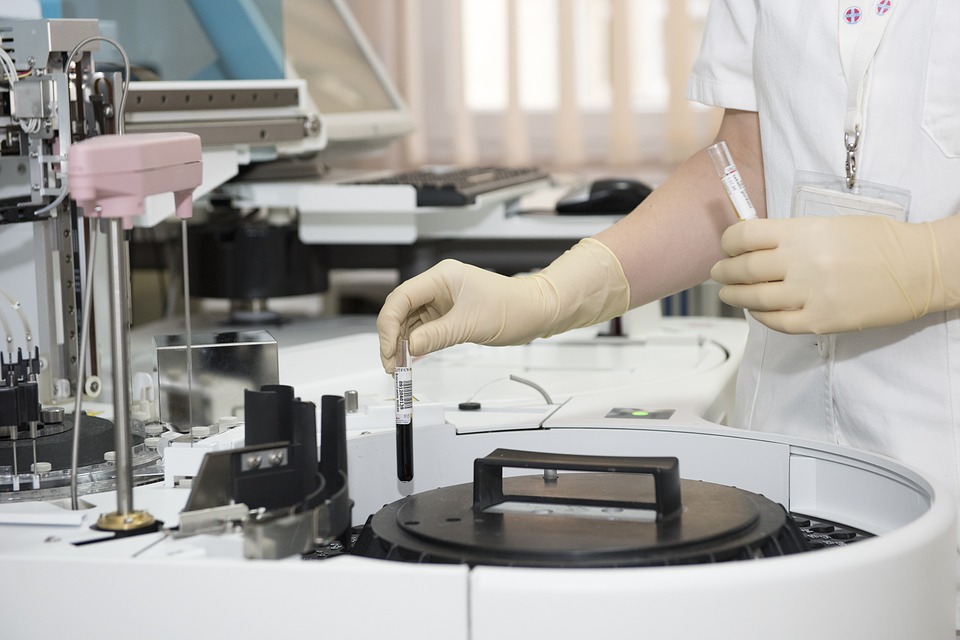
Dallas – whilst the mention of the city may conjure images of Dallas Cowboys, Cheerleaders, or even the popular film, Dallas Buyers Club – is the city set to have a new reputation as a prosperous start-up hub?

Indeed, from the peppering of “sir” and “ma’am” in sentences to chicken-fried steak as a menu option, it is hard to resist the sweet Texan drawl and dining options. But Dallas has other benefits, in particular, a burgeoning business scene. This is due to a favorable tax environment and a collective Texan “can-do” attitude. Moreover, the region alone vaunts a list of entrepreneurs who found their affluence in oil and gas, semiconductors and real estate.

In 2015 in particular, the Dallas entrepreneurial ecosystem has been bustling with activity. For instance, according to PitchBook data, Angel investors invested $213.5 million into 35 start-ups in the first nine months of this year.  That’s approximately three times last year’s total angel investments of $73.4 million in 42 deals. Thus, similar to Austin, a new generation of innovators, young start-ups and the digital savvy are putting North Texas on the world map as an innovation mecca, rivalling the likes of other cities such as Miami and New York.

However, it is important to note that Dallas is creating its own unique start-up ecosystem that is different from other cities. To begin with, the sheer size of Dallas, encompassing 9,200 square miles, indicates business is going to be conducted a little differently compared to the consumer-facing start-ups that inhabit tech hubs such as Silicon Valley.

In relation to this entrepreneur Craig Lewis, the founder of Dallas-based Visage Payroll, describes the evolution of Dallas. Lewis states, “It went from the cheerleading stage, where everybody said Dallas could be a start-up community, to you’re starting to see valuable companies form and people are getting legitimate pieces of funding; maybe not massive rounds but strong rounds. What’s more interesting is a lot of us are building strong businesses, substantive businesses in comparison to the fly-by-nights you see in other ecosystems.”

Thus, rather than paralleling Dallas with Silicon Valley or any other innovation mecca, entrepreneur Lewis labels it best, “We don’t have to do it like other start-up communities. We just need to be Dallas. There’s just one Dallas. Let’s just be the best Dallas we can be.” Furthermore, statistics such as the fact that Dallas is in the top 20 region for number of patents issued , has the 6th largest concentration of high tech workers in the U.S., and is the 5th largest metro in self-employment in the U.S.,  reinforce the idea that Dallas is indeed a suitable environment for start-ups.

Certainly, as this article reveals, the city of Dallas – aside from serving up niche food options and a friendly Texan attitude –  also propositions a business-friendly state. With a thriving start-up network that is growing, the innovation ecosystem in the state of Texas is flourishing. Moreover, the R&D tax credit can help put cash back into start-ups and several states, including Texas, offer businesses their own version of the R&D tax credit.  Individuals should take advantage of any R&D tax credits available at the state and federal levels as they can claim the credits concurrently. Contact us today to talk to a specialized R&D Tax professional who will be able to answer any questions you may have.

Texas Research Aims to Eradicate Whooping Cough

medic-563423_960_720From late Victorian times to present day, substantial enhancements in our living conditions and the development of medicines has raised the quality of life and expectancy throughout the developed world. However, perplexingly, post-industrial civilization — while mostly eradicating epidemics — has fallen victim to the same diseases. Indeed, we have observed the rise and fall of ailments; however, they seldom disappear permanently.

For example, whooping cough, or pertussis as it is also known, was one of the infectious diseases that most children suffered a century ago. In fact, before the 1940s there were over 200,000 cases of whooping cough in the United States each year. The disease, which is particularly fatal for infants, was deeply reduced by 80 percent following the introduction of the whole cell pertussis vaccine (as part of the DTP vaccine) in the 1940s, and by the 1970s there were scarce cases seen in the developed world.

However, outbreaks do still transpire and in the United States it has resurfaced as a public health threat again. To expand on this, in 2012 whooping cough had its worst outbreak in 57 years in the United States. Moreover, statistics reveal that every year whooping cough kills about 195,000 people in the world – typically infants.

In light of this, a team led by researchers at the University of Texas have developed an antidote that could in the future lead to drugs that inhibit and treat whooping cough. According to the journal Science Translational Medicine, the research has contrived two human-like antibodies – molecules that counteract tiny disease-causing organisms – that performed like a vaccine in averting mice from attaining the disease and condensed the severity of illness in baboons.

More specifically, the antibodies neutralize the pertussis toxin and halt the function of that toxin. Hence, in areas with an outbreak, the antibodies could be supplied in an injection once infants are born and safeguard them for the initial couple of months of life. In addition to that anticipatory effect, the antibodies can also minimize disease severity – at least in baboons. Thus, whilst they might still contract the illness, the antibody strongly decreases the chance of death.

Even though the study is currently confined to mice and baboons, research such as this could have substantial effects on the public health and eradicating the death toll of certain diseases for good. If you are conducting research such as this, or for your business, you could be eligible for tax benefits. The government encourages businesses within the U.S. to do this by allowing business owners to offset research and development with R&D Tax Credits. . Moreover, businesses can take advantage of both state and federal credits and can claim the credits concurrently.   Innovation can create new opportunities for your business and allow for the creation of new products or solutions to common problems. Contact us today to see if you are eligible to claim the R&D Tax Relief.

Crickets: The Gateway Bug to Eating Insects

Fried, baked, stewed, or even milled into a protein powder to be used in your smoothie – Crickets are dubbed to be the new ‘superfood’ of 2016. From ancient quinoa grains sourced from Peru to the Amazonian acai berry found in Brazil – most superfoods are found in exotic locations, rather than on a leaf in your backyard. With the increasing need to feed more people and the intensified desire for more sustainable food options, could crickets be replacing our tradition-bound Christmas turkey this year?

green-769946_960_720Whilst eating insects remains an oddity in the United States, Blueshift Research’s March 2015 Trend Tracker found that one-third of respondents were likely to buy an insect-based product. Moreover, insects are actually a consistent portion of the diet for more than two billion people around the world, according to a 2013 report from the Food and Agriculture Organization (FAO) of The United Nations. The report highlights the benefits of edible insects and how they can combat problems such as “the rising cost of animal protein, food and feed insecurity, environmental pressures, population growth and increasing demand for protein among the middle classes.”

Furthermore, earlier this year the US Department of Agriculture (USDA) funded research into insect farming for human food, with the aim of discovering innovative ways to augment cricket growth while decreasing the price of raising them. Whilst the research is still be undertaken, previous studies reveal that crickets’ potential role in future diets is somewhat compelled by the fact that they need ten times less feed than cattle while producing a similar amount of protein and less fat. Further evidence reveals crickets contain as much calcium as milk and is high in vitamin D, B1, B2 and B6, as well as phosphorus, iron, calcium, zinc, copper and manganese.

In fact, in Houston, pan-sautéed grasshoppers are already on the menu at Hugo’s, whereas mini grasshoppers can be found at the Cuchara bistro at Fairview and Taft. Of course, crickets aren’t the only insect selection. The daring connoisseur can go online to buy chocolate-covered scorpions, superworms, silkworms, and more through U.S. distributors.

After all, the planet is expected to have nine billion people by 2050, thus growing enough food to feed everyone requires that we create more efficient and sustainable ways to produce food. Whether your preference is researching ways to increase cricket growth for human consumption or seeking to create new farming techniques for more traditional forms of protein – research such as this is important in an increasingly environmentally aware society. Research and development (R&D) can aid your company in remaining relevant in a progressively technological, innovative and competitive world. Moreover, if you are conducting eligible R&D activities, you may be able to claim generous tax savings back on your investment. Swanson Reed offers professional proficiency across a range of industries and has supported many clients achieve tax cash savings under the R&D tax credit regime. Contact one of our specialist R&D Tax consultants to find out more about the scheme and if you are eligible.

The Evolution of the Invisible Fish: Texas Research Could Aid Military Camouflage

divers-123286_960_720Smoked, battered, fried or raw – fish do indeed come in many different culinary compositions. However, there is one form that may not delight the gastronomic folk: Invisible.
Innovative research at The University of Texas at Austin has solved a time-honored conundrum about how numerous fish breeds are capable to vanish from predators in the exposed waters of the deep-sea. Moreover, this research could aid scientists and military technologists generate more effective techniques of ocean camouflage.

To expand on this, the research reports that specific fish utilize microscopic structures named platelets in their skin cells to mirror polarized light, which permits the fish to outwardly dissolve from their hunters. Molly Cummins, professor of integrative biology in the College of Natural Sciences, noted, “Fish have evolved the means to detect polarized light… Given that, we suggested they’ve probably evolved the means to hide in polarized light. If we can identify that process, then we can improve upon our own camouflage technology for that environment.”

Certainly, a study such as this reveals how research allows humanity to take advantage of evolutionary processes and solutions that could aid future military technologies. Prompting the question, what could your research and development have an effect on?

Whether you are researching a new product, process of software – you could be eligible for generous tax savings. The government encourages businesses within the U.S. to do this by allowing business owners to offset research and development with R&D Tax Credits. . Moreover, Businesses can take advantage of both state and federal credits and can claim the credits concurrently.   Innovation can create new opportunities for your business and allow for the creation of new products or solutions to common problems. Contact us today to see if you are eligible to claim the R&D Tax Relief.

Texas’ Mutant SuperMouse: The Sober Superhero

Ranging from apes on a planet to crime fighting ninja turtles and an anti-hero-come-wolf with adamanantium skeleton and claws – Hollywood is nothing short of ‘mutants’ in every shape, form and size. However, could research at the University of Texas Austin be making the next smallest mutant to help save the world?

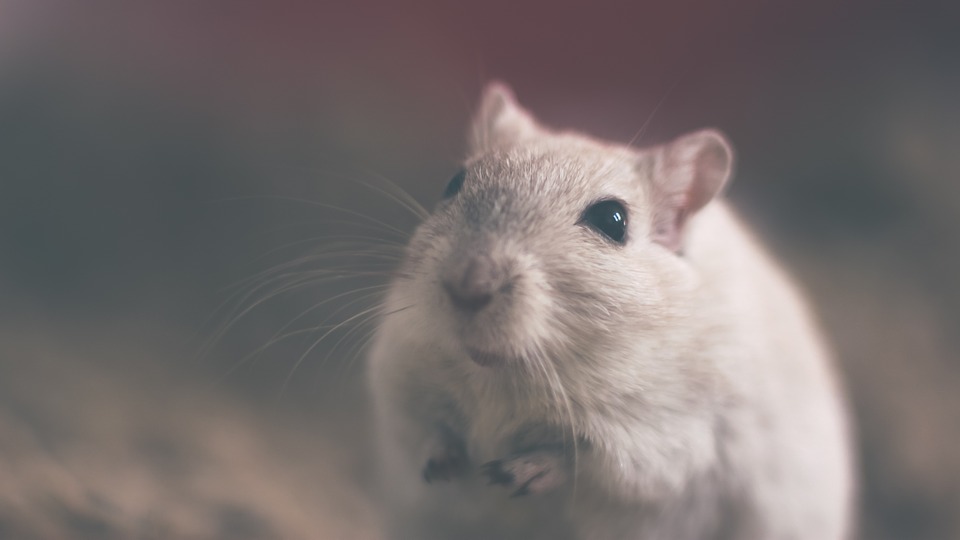
mouse-801843_960_720No, this isn’t a pitch for the next Hollywood blockbuster, but rather a summary of the research being undertaken in Texas. In specific, a collection of University of Texas researchers believe they could unravel new treatments for alcohol abuse by constructing a “supermouse” mutant that cannot get drunk. Research, such as this, could be extremely helpful given the difficulty in treating alcohol-related disorders. Currently, scientists are still uncertain on the molecular mechanisms involved in intoxication and withdrawal. Hence, current therapies to treat alcohol-related disorders remain wholly ineffective.

Previously, researchers at the University of Texas discovered a method to prevent alcohol withdrawal symptoms in a simple animal model – a tiny worm. The research revealed that mutation expressively decreases the level of alcohol withdrawal symptoms in a worm, fundamentally “curing” alcohol withdrawal in worms. Furthermore, the research revealed alcohol vigorously stimulates the BK channel, which has the net effect of dampening neuronal activity. In relation to this, the lab discovered that mutating one ration of the BK channel prevents alcohol activation.

Nonetheless, the manner in which humans act when drunk is complex, with far more variables than a worm. Consequently, the current need is to experiment on a more complicated animal – a mouse with the same mutation. Essentially, this would epitomize a “supermouse” that remains sober and avoids the incapacitating symptoms of withdrawal. Optimistic results would ideally lead to drug development that specifically targets the BK channel and could be utilized by those with addiction problems.

Thus, whilst there is no indication of a “SuperMouse’ making it to the big screen, research such as this could have huge impacts on society and the innovation of suitable drugs for alcohol abuse and addiction. Indeed, it marks huge strides in the field of biology, pharmaceuticals and patient care. Overall, the results of this type of research will aid pharmaceutical companies and granting agencies to invest in effective drug treatments.

Undeniably, innovation through research and development (R&D) is a key enabling element in the medical field and patient care. If your business is developing new, emergent or alternative medical technologies and services, you may be eligible for funding and support. Many companies do not recognize the scale of their qualified undertakings, or if they are eligible. Swanson Reed offers expertise across a wide assortment of industries and has helped many clients achieve tax cash savings under the R&D tax credit scheme. Contact us today to find out more.

Texas Research Reveals Pineapple’s Could Help Feed the World

pineapple-867245_960_720From pineapple embellished cakes and pizzas to salads and piña coladas – there is no denying that the humble tropical fruit is a versatile one. In fact, in the agricultural network pineapples are more than just a delicious refreshment, they are also prominent water-savers that may help feed the world.

To expand on this, researchers at the Texas A&M University have worked with researchers across four continents to discover how pineapples thrive on such a minimal amount of water. The findings, released this month, could actually help wheat, rice and other key crops grow with up to 80 percent less h2O.

To emphasize the impact this could have, Qingyu Yu, a professor of plant genomics and molecular biology at Texas A&M University, describes that world food production needs to double by 2050 to meet an ever-growing population demand. Hence, the global implications the pineapple could have on agriculture could be enormous. Yu further notes that, “Drought is responsible for the majority of global crop loss, so understanding the mechanisms that plants have evolved to survive water stress is vital for engineering drought tolerance in crops.”

Furthermore, the scientists discovered that pineapples, the prickly natives of South America, share ancestry with rice, wheat, corn and other water- yearning crops. The anticipation is that pineapples can instill those plants with improved water conservation – particularly in hotter and parched climates.

So this holiday season, as you take a sip from your piña colada or indulge in a bite of pineapple adorned pizza, you can pat yourself on the back for choosing a fruit that has the potential to help nourish the world’s population.

In closing, whether you’re researching the water-saving qualities of pineapples or developing new ways for your business to operate, the government encourages businesses in the United States to undertake research and development (R&D) activities by offering an R&D Tax Credit. Moreover, Businesses can take advantage of both state and federal credits and can claim the credits concurrently.   Contact us today to see if you are eligible to claim the R&D Tax Credits and find out if you could be claiming cash back for the projects you’ve invested in.


Austin, Texas Crowned Best City for Start-Ups

From the ‘Cathedral of Junk’, a church that can only be described as Tim Burton meets a scrap yard, to having the world’s largest urban bat colony – Austin is far from short on quirks that help it embody its unofficial slogan “Keep Austin Weird”. However, beneath the eccentricities is a culture of innovation and cooperation that makes it an idyllic environment for evolving ideas – particularly when it refers to the Austin startup scene.

Texas, often praised in the media for a comparatively low cost of living, flourishing tech scene and culture of the weird, has recently been acclaimed for giving Silicon Valley a run for its money. In fact, Austin is the startup capital of the future, according to Small Business Trends. With incubators and accelerators bountiful and a higher cocapitol-96827_640concentration of startups than Silicon Valley, Boston or Chicago, the city is proving itself to be a hub for innovation and entrepreneurial activity.

In light of Small Business Trends ranking Austin the ‘best city to launch a startup’, Julie Huls, the Austin Technology Council’s president, believes this is because Austin’s competitive advantage is grounded in two things. Firstly, Austin has an “exceptionally open and collaborative and supportive business climate.” Secondly, the city has a diverse group of seasoned leaders “who want to help grow and mentor the next generation of leaders.”

Furthermore, during the 2008 recession, Texas was one of the few states to add jobs. As the country emerged from the recession, the Lone Star State continued to grow. To be specific, there was a 41.4 percent increase in tech-industry employment between 2001 and 2013 and Austin ranked as the top city for technology job creation on a recent Forbes list. Additionally, the Austin Technology Council expects 11, 754 new tech jobs will be added to the mix over the next five years.

Certainly, there is no denying that Austin offers a business-friendly state with an underlying idiosyncratic culture. With low tax burdens, a start-up network and research hubs, Texas’ ecosystem is booming. Moreover, the R&D tax credit can help put cash back into startups and several states, including Texas, offer businesses their own version of the R&D tax credit.  Individuals should take advantage of any R&D tax credits available at the state and federal levels as they can claim the credits concurrently. Contact us today to talk to a specialized R&D Tax professional who will be able to answer any questions you may have.

Thanksgiving Special: Research Reveals Human’s Saved the Pumpkin from Extinction

This thanksgiving, as you take a sip from your pumpkin spice latte or indulge in a bite of pumpkin pie, satiated feasters should take a second to give thanks to the idiosyncrasy of history that kept squash in our pies, on our plates, and flavoring our drinks. In fact, if megafauna—mastodons, mammoths, giant sloths and the like—had not become extinct than none of these seasonal delights would have been conceivable, according to an international team of anthropologists.

A new study, undertaken by researchers at Penn State University and published last week in Proceedings of the National Academy of Sciences, says the thanksgiving staples we consume are distant survivors of ancient fruits that sidestepped extinction only because they were domesticated by humans. The study focuses on a 10,000-year history that connects humans to the rise of the pumpkin and the fall of the mammoth.

pumpkins-984207_640To clarify, the researchers found that originally humans did not consume the genus Cucurbita—i.e., pumpkins, squash, and gourds—since it was bitter and toxic to humans and smaller animals. However, mastodons and other large herbivores, would eat these wild fruits and then discard the seeds through the terrestrial in their droppings. Thus, new squash and gourd plants would propagate, the megafauna would eat the fruit, and the entire cycle would endure. However, when humans arrived in America between 13,500 and 14,500 years ago, overhunting, along with a shifting climate, eliminated giant sloths and their kin. Hence, without human intervention, our cherished fall pumpkin treats would have gone with them.

According to the researchers’ examination, throughout this time humans also began domesticating the gourds. At that phase, they were fond of the gourds due to their resilient rinds—utilizing them as containers for food and drink or floating fish nets. Although, as farming technology progressed, scientists believe that over time humans began eating the fruit and replanting the ones that were most appetizing. Ultimately, over thousands of years, the pumpkin evolved to become mild and tasty — and now icons of the fall season.

Therefore, this thanksgiving, after goring on the onslaught of pumpkin spice foods that appears every fall, take comfort in the fact that thanks to research and our ancient ancestors—we humans can claim to be the saviours of the gourd. A noble act indeed.

In light of the study above, has your business undertaken any research? If so, the Research and Development (R&D) Tax Credit scheme is one way to reduce the cost incurred by companies that are undertaking research and development activities. Contact us today to talk to a specialized R&D Tax professional who will be able to help you with any queries you may have.

Texas Researchers Build Nanoscale Walking Machine from DNA

Whilst the idea of devices roaming our bodies may remind some of a character out of a science-fiction movie, new research into nanoscale machines is far from Terminator status. In fact,  University of Texas researchers have developed a nanoscale DNA walking machine that could one day roam the human body in search of cancerous cells.

To expand on this, Tmicroscope-385364_640exas-based researchers, Cheulhee Jung, Peter B. Allen and Andrew Ellington, have created a nanoscale machine that can randomly walk in any direction across uneven surfaces. Future applications of such a DNA walker are predicted to be a cancer detector that could circulate the human body examining for cancerous cells and tagging them for medical imaging or drug targeting.

The research was published last week in the journal Nature Nanotechnology, where it was revealed that this machine could walk unprogrammed over a DNA-coated surface. Previously, nanoscale walkers were restricted to only being able to walk on one- or two-dimensional paths that were defined and programmed. This walker was able to move 36 steps, and its unsystematic movement is unlike any other motion observed in former studies.

Whilst the research has not progressed yet to the search for a cancer cure, the researchers predict that more immediate practical applications may include deploying the walker in the body as a cancer detector. This would include the DNA walker searching for cancerous cells and amplifying them in order to make them more easily detectable by doctors. The research further projects that there may be implications for future delivery of nanoscale therapeutics. DNA walkers may eventually allow protective cells to walk the surface of organs, perpetually computing whether a cancer is subsisting.

Although it may be a long progress from diagnosing cancer to curing it, researcher Cheulhee Jung highlights the fact that, “all breakthroughs begin with baby steps. Only in this case, they are the steps of a DNA walker.” Nonetheless, innovation such as this will make a huge difference in the lives of patients and how doctors operate in the life science sector. Whether you’re researching nanoscale walking devices or developing a new business prototype, each company has unique levels of research and development utilized within their business. The government encourages businesses within the U.S. to do this by allowing business owners to offset research and development with R&D Tax Credits. Could you be claiming cash back for research and development projects you’ve invested in? Innovation can create new opportunities for your business and allow for the creation of new products or solutions to common problems. Contact us today to see if you are eligible to claim the R&D Tax Relief.